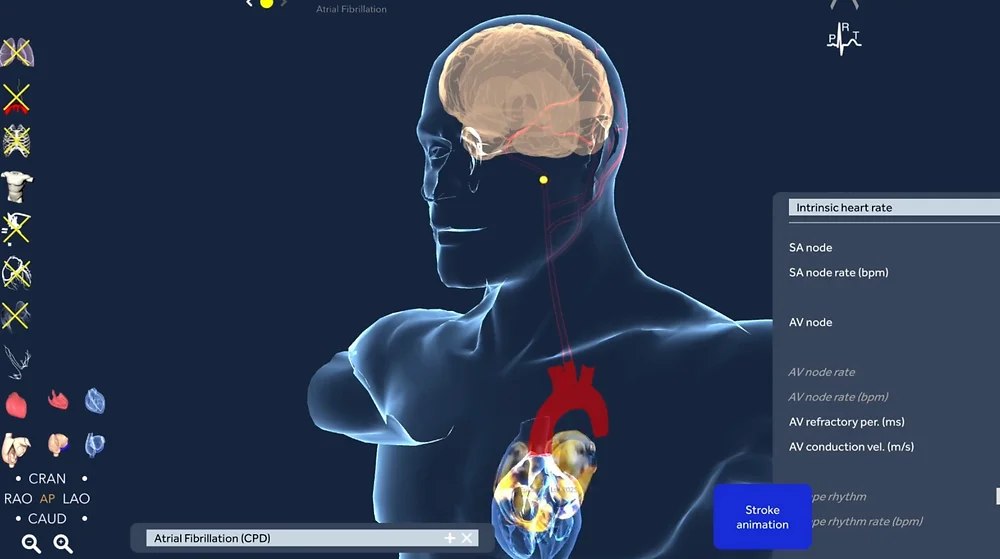

Atrial fibrillation (AF) can be a worrying diagnosis, but in most cases, it does not require an emergency hospital visit. Once the key risks—such as stroke and heart failure—have been properly managed, most AF episodes can be treated and monitored as an outpatient rather than in the emergency room.
However, there are circumstances where seeking urgent medical attention is necessary. If you are experiencing AF for the first time, you should get an appointment with your doctor at the very least to confirm the diagnosis and ensure the right management steps are being taken.
Need a heart specialist?
Book an appointment with Professor Malcolm Finlay, or call 020 7183 0514.
Additionally, if your heart rate becomes excessively fast and you experience symptoms such as severe dizziness, breathlessness, chest pain, or fainting, you should seek emergency care. In these situations, doctors can assess your heart rhythm, stabilise your condition, and provide urgent treatment if needed.
For those already diagnosed with AF, a hospital visit is rarely required unless symptoms are severe. Once the appropriate treatments are in place, AF can usually be managed through regular outpatient care. Many patients find their symptoms uncomfortable or distressing. Still, the good news is that AF itself is not usually life-threatening once stroke prevention and heart rate control have been addressed.
I understand that experiencing an AF episode can feel alarming, especially if it causes palpitations, breathlessness, or fatigue. However, in the vast majority of cases, these symptoms can be handled without an emergency admission.
By working with a specialist to develop a tailored management plan—including the right medications and strategies—you can significantly reduce the need for hospital visits, even if unexpected episodes occur.
If you are ever unsure whether you need urgent care, it is always best to err on the side of caution and seek medical advice. Otherwise, focusing on proactive outpatient management with a cardiologist will help keep your condition under control and minimise unnecessary hospital trips.