

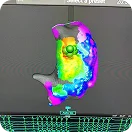
How I approach AF ablation
Usually a day case under local anaesthetic with sedation. Using 3-D mapping and pulsed-field energy, a straightforward case takes one to two hours.
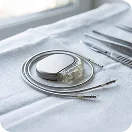
What are the risks of an AF ablation?
Well-established and safe. Small risk of bleeding at the leg or ~1% around the heart; stroke and oesophageal injury very rare. Risk to life ~1 in 2,000.
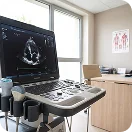
How successful is an ablation likely to be?
Over 80% for paroxysmal AF and over 70% for persistent AF after one procedure, depending on durable pulmonary vein isolation.
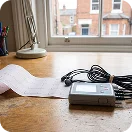
What if AF comes back after an ablation?
Common with persistent AF (up to half) and paroxysmal (about a third). A shorter “touch-up” usually gives an excellent long-term result.

What are the alternatives to ablation?
Anti-arrhythmic medication, or a pacemaker with AV-node ablation where other options are exhausted. Lifestyle changes also make a genuine difference.

Will lifestyle changes help my AF?
Yes — often considerably. Less alcohol, stopping smoking and losing excess weight reduce how often AF occurs and improve treatment success.
Do I need to stay on a blood thinner?
Usually yes, at least for a period. Even brief episodes can carry stroke risk, so we review anticoagulation to your personal risk.