
Atrial fibrillation (AF) is one of the most common heart rhythm disorders treated by a consultant cardiologist. Many patients diagnosed with atrial fibrillation ask the same question:
“Am I too old to have an AF ablation?”
The simple answer is no — there is no strict age limit for catheter ablation.
According to Professor Malcolm Finlay, treatment decisions should not be based purely on someone’s age, but on their overall health, symptoms, quality of life, and potential benefit from treatment.
For many older patients, treating atrial fibrillation aggressively can significantly improve quality of life, exercise tolerance, and long-term independence.
Key Takeaways
- There is no strict age limit for AF ablation
- Frailty and overall health matter more than age alone
- AF ablation can significantly improve quality of life
- Success rates exceed 80% in selected patients
- Elderly patients may still benefit greatly from treatment
What Is Atrial Fibrillation?
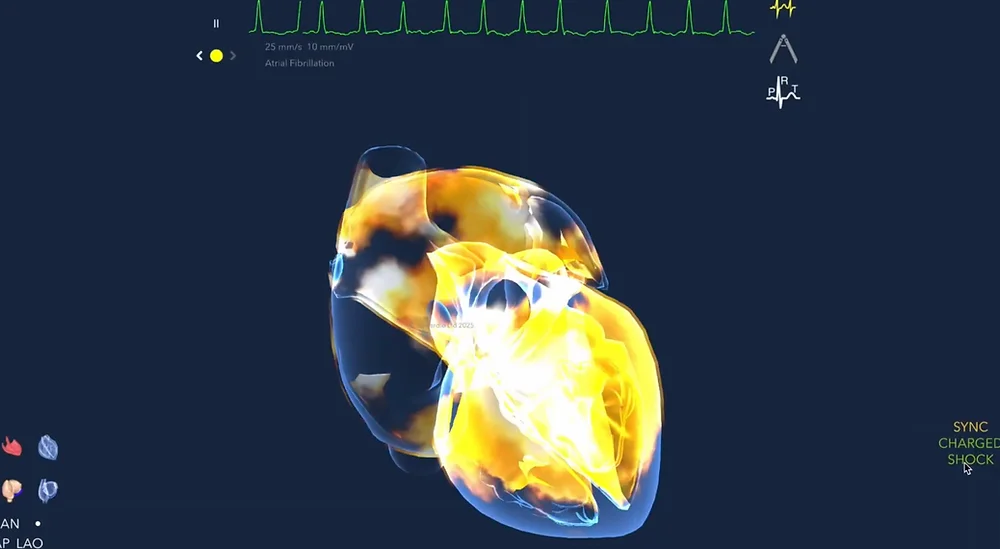
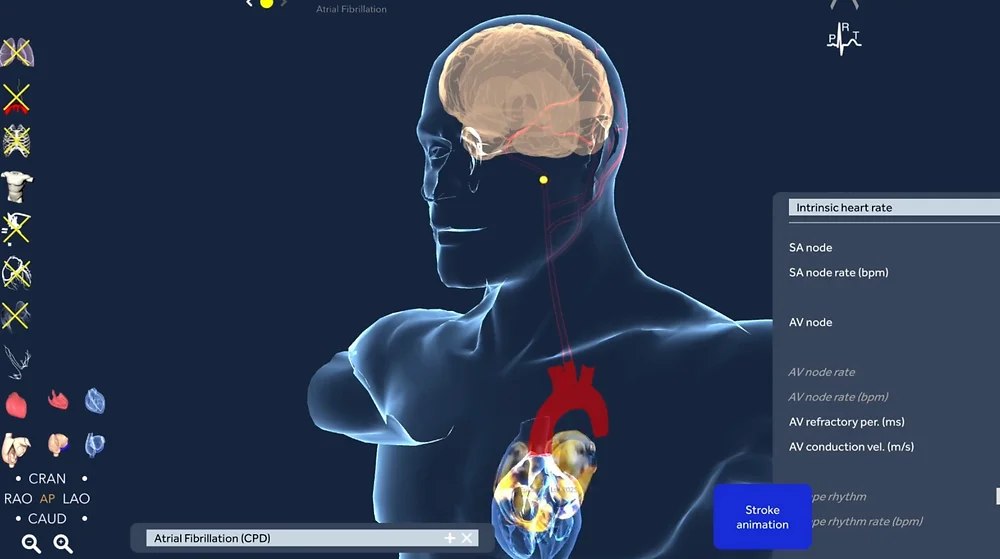
Atrial fibrillation is an irregular heartbeat caused by chaotic electrical activity in the upper chambers of the heart.
What does atrial fibrillation feel like?
Common AF symptoms include:
- palpitations
- breathlessness
- dizziness
- fatigue
- reduced exercise tolerance
- chest discomfort
- irregular heartbeat sensations
Some patients experience occasional episodes, while others remain in atrial fibrillation continuously.
Is There an Age Limit for AF Ablation?
No. There is no absolute age cut-off for atrial fibrillation ablation.
How do cardiologists decide if someone is suitable for ablation?
A heart rhythm specialist will usually consider:
- frailty
- mobility
- other medical conditions
- symptom severity
- recovery potential
- overall cardiovascular health
- quality of life impact
Professor Malcolm Finlay explains that chronological age alone is rarely the deciding factor.
In fact, some elderly patients may benefit even more from treatment because maintaining exercise capacity and independence becomes increasingly important later in life.
What Are the Risks of AF Ablation in Older Patients?
Like all procedures, catheter ablation carries some risks.
What are the main risks of AF ablation?
Potential complications include:
- bleeding around the heart
- damage to the heart’s electrical system
- stroke
- infection
- need for a pacemaker
One recognised risk is bleeding around the heart, which occurs in approximately 1% of cases.
In most patients, this can be treated quickly using a drain placed around the heart. However, recovery may be more difficult in frail or elderly individuals.
Why Can Older Patients Sometimes Need a Pacemaker?
The ageing process affects the heart’s electrical conduction system.
Does AF ablation cause pacemakers?
Usually not directly.
Older patients with atrial fibrillation may already have underlying disease affecting the heart’s conduction tissue. This means some patients eventually require a pacemaker regardless of whether they undergo catheter ablation.
This is one reason why a detailed assessment by a consultant cardiologist is important before treatment.
Why Quality of Life Matters in AF Treatment
Many patients in their 70s, 80s, and even 90s prioritise quality of life over simply extending lifespan.
Can treating AF improve quality of life?
Yes.
Successful atrial fibrillation treatment may improve:
- energy levels
- walking ability
- exercise tolerance
- breathlessness
- confidence
- independence
Professor Malcolm Finlay explains that maintaining cardiovascular reserve becomes increasingly important with age because it helps patients cope better with future illness or surgery.
How Does AF Ablation Work?
What causes atrial fibrillation?
Atrial fibrillation is commonly triggered by abnormal electrical signals originating from the pulmonary veins at the back of the heart.
Ageing, high blood pressure, and enlargement of the left atrium can disrupt the normal electrical stability of the heart muscle.
This allows abnormal electrical impulses to trigger atrial fibrillation.
What does catheter ablation do?
Catheter ablation creates controlled scar tissue around the pulmonary veins.
This scar tissue blocks abnormal electrical signals from spreading into the rest of the atrium and triggering atrial fibrillation.
Can Stress or the Nervous System Trigger AF?
Yes.
The autonomic nervous system plays an important role in heart rhythm regulation.
Why does AF sometimes happen at night?
Professor Malcolm Finlay explains that some patients experience atrial fibrillation during periods of increased parasympathetic activity, particularly overnight.
These nerve interactions can increase the likelihood of abnormal electrical activity triggering AF episodes.
What Are the Success Rates for AF Ablation?
AF ablation success rates are now very good, particularly for intermittent atrial fibrillation.
How successful is AF ablation?
For patients whose AF comes and goes:
- success rates can exceed 80% after one procedure
- many patients remain free from significant AF episodes after one year
Is ablation less successful for persistent AF?
Yes.
Persistent atrial fibrillation is usually associated with more advanced structural changes and fibrosis in the atrium.
These patients sometimes require:
- more extensive ablation
- repeat procedures
- additional treatment areas
However, catheter ablation can still provide major symptom improvement in carefully selected patients.
Who Should Consider AF Ablation?
You may benefit from seeing an arrhythmia specialist if you experience:
- recurrent palpitations
- irregular heartbeat
- breathlessness
- dizziness
- worsening exercise tolerance
- persistent atrial fibrillation symptoms
- poor response to medication
Early assessment by a consultant cardiologist may help prevent progression of atrial fibrillation over time.
Frequently Asked Questions About AF Ablation
Can you be too old for AF ablation?
No. There is no fixed age limit. Suitability depends on overall health, frailty, symptoms, and expected benefit.
Is AF ablation dangerous in elderly patients?
The risks can be slightly higher in frail patients, but many elderly individuals still do very well with treatment.
Can AF ablation improve quality of life?
Yes. Many patients experience improved energy, exercise capacity, and symptom control after successful treatment.
What is the success rate of AF ablation?
Success rates can exceed 80% for intermittent atrial fibrillation after a single procedure.
Does AF ablation cure atrial fibrillation?
Some patients achieve long-term freedom from AF, while others may require additional procedures or ongoing medication.