
Atrial fibrillation (AF) is one of the most common heart rhythm problems seen by a consultant cardiologist.
Many patients diagnosed with atrial fibrillation are told about catheter ablation as a treatment option. However, AF ablation is only one part of a much broader strategy for managing atrial fibrillation safely and effectively.
According to Professor Malcolm Finlay, consultant cardiologist and heart rhythm specialist, understanding the goals of AF treatment is essential before deciding whether catheter ablation is the right option.
Key Takeaways
- Atrial fibrillation is caused by chaotic electrical activity in the upper chambers of the heart
- The three priorities of AF treatment are stroke prevention, heart rate control, and symptom improvement
- AF ablation is a minimally invasive procedure, not open heart surgery
- Catheter ablation works by electrically isolating abnormal signals from the pulmonary veins
- Success rates for AF ablation can exceed 70–80% in selected patients
- AF ablation can improve quality of life and help protect long-term heart function
- Risks are low but include bleeding, stroke, and damage to the heart’s electrical system
- The best treatment strategy depends on the individual patient and type of AF
What Is Atrial Fibrillation?
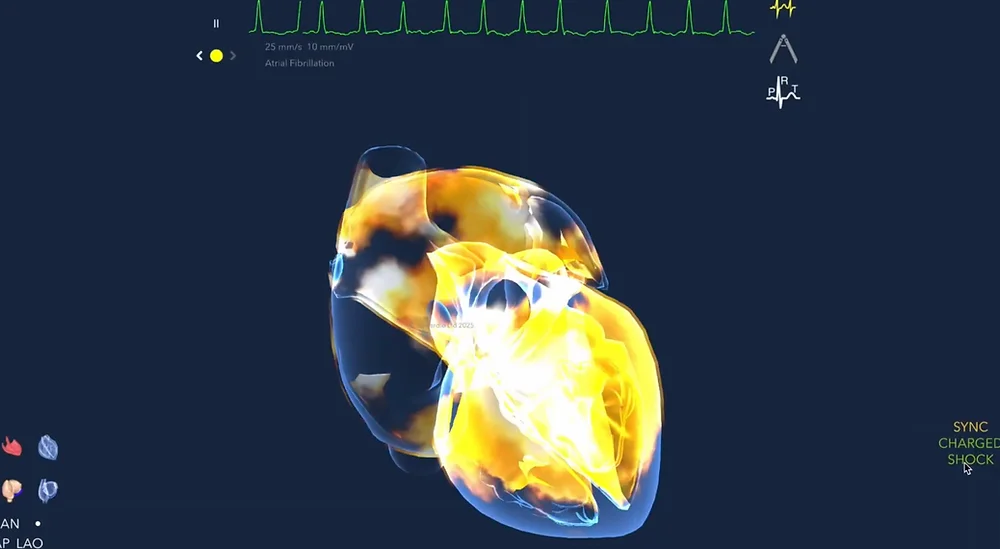
Atrial fibrillation is an irregular heartbeat caused by chaotic electrical activity in the upper chambers of the heart.
Is atrial fibrillation dangerous?
In most cases, atrial fibrillation is not immediately life-threatening.
AF does not usually:
- cause a heart attack
- make the heart suddenly stop
However, atrial fibrillation does increase the risk of:
- stroke
- heart failure
- worsening heart function over time
That is why proper treatment and assessment by a heart rhythm specialist are important.
What Are the Main Priorities in AF Treatment?
Professor Malcolm Finlay explains that atrial fibrillation management focuses on three major goals.
1. Preventing Stroke
Why does AF increase stroke risk?
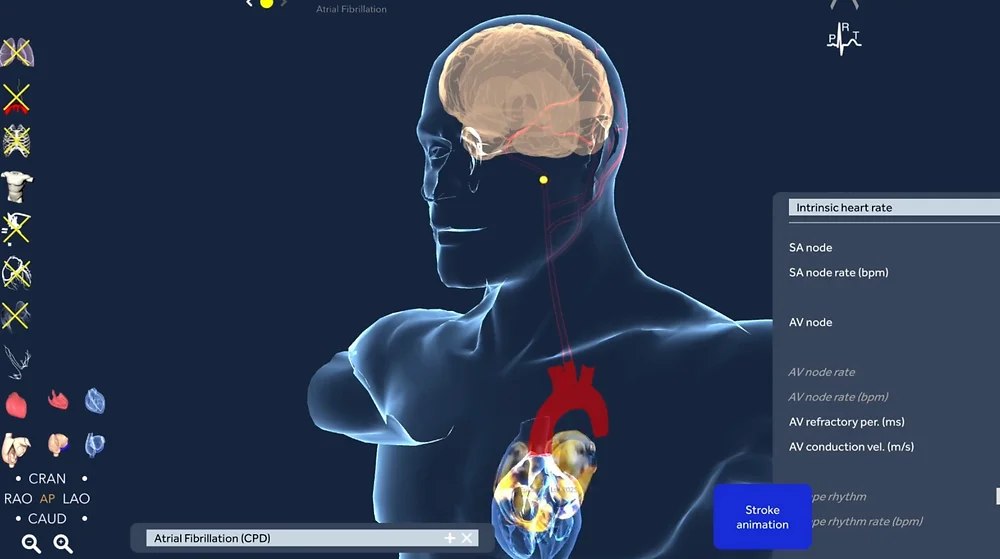
In atrial fibrillation, the upper chambers of the heart do not contract effectively.
This can allow blood to pool and stagnate, particularly inside the left atrial appendage.
Blood clots can then form and potentially travel to the brain, causing a stroke.
How is stroke prevented in AF?
Most patients are treated with:
- blood thinning medication
- anticoagulants
These medications are highly effective at reducing stroke risk.
What if blood thinners are not suitable?
For selected patients unable to tolerate blood thinners, procedures such as left atrial appendage occlusion may be considered.
2. Protecting the Heart and Preventing Heart Failure
Can atrial fibrillation cause heart failure?
Yes.
AF can weaken the heart over time, especially if:
- the heart rate remains persistently fast
- the irregular rhythm reduces pumping efficiency
This can eventually contribute to heart failure.
Can AF ablation improve heart function?
In some patients, yes.
Professor Malcolm Finlay explains that studies, including research performed at St Bartholomew’s Hospital, have shown that AF ablation can:
- improve heart function
- reduce heart failure symptoms
- improve quality of life
- potentially improve survival in selected patients
For patients with both atrial fibrillation and heart failure, treating the arrhythmia aggressively may offer benefits beyond symptom control alone.
3. Improving Symptoms and Quality of Life
This is where most AF ablations are performed.
When do AF symptoms become severe enough for ablation?
The key question is:
“How much is atrial fibrillation affecting your daily life?”
Some patients experience:
- severe palpitations
- breathlessness
- fatigue
- poor exercise tolerance
- anxiety
- brain fog
- poor concentration
Symptoms are often worst in:
Paroxysmal atrial fibrillation
This is where AF comes and goes intermittently.
Because patients return to normal rhythm between episodes, they often notice the contrast more clearly.
Can You Have Severe Symptoms With Only Small Amounts of AF?
Yes.
Professor Malcolm Finlay explains that even a relatively small amount of atrial fibrillation can have a major impact on quality of life in some people.
At the same time, some patients with continuous AF may experience very few symptoms and continue functioning normally.
This is why:
- AF burden alone does not determine treatment
- symptom severity is extremely important
Is AF Ablation Always the First Treatment?
No.
What should be tried before AF ablation?
Before considering catheter ablation, cardiologists often assess:
- lifestyle factors
- medication response
- stroke prevention
- heart function
Lifestyle modification can significantly reduce AF burden.
What Lifestyle Changes Help Atrial Fibrillation?
Can lifestyle affect AF?
Absolutely.
Important factors include:
- reducing alcohol intake
- weight loss
- treating sleep apnoea
- improving cardiovascular fitness
- managing blood pressure
Addressing these issues may:
- reduce AF episodes
- improve ablation success
- improve heart health overall
What Medications Are Used for AF?
Different medications target different aspects of atrial fibrillation.
Medications for heart rate control
These include:
- beta blockers
- digoxin
These medications help slow the heart rate.
Medications for rhythm control
These include:
- flecainide
- amiodarone
These drugs aim to maintain normal sinus rhythm.
For some patients, medication alone is sufficient.
What Is AF Ablation?
How does catheter ablation work?
AF ablation is a minimally invasive procedure that targets abnormal electrical signals inside the heart.
The aim is to restore and maintain normal sinus rhythm.
Catheter ablation is designed to:
- reduce AF burden
- improve symptoms
- improve quality of life
- help stabilise heart rhythm
Who Should Consider AF Ablation?
You may benefit from seeing a consultant cardiologist or arrhythmia specialist if you experience:
- recurrent palpitations
- persistent fatigue
- breathlessness
- poor exercise tolerance
- worsening AF episodes
- reduced quality of life
- heart failure linked to atrial fibrillation
Professor Malcolm Finlay emphasises that the right treatment is always individualised.
The best strategy may involve:
- lifestyle changes
- medication
- catheter ablation
- or a combination of approaches
Frequently Asked Questions About AF Ablation
When should you consider AF ablation?
AF ablation is usually considered when atrial fibrillation significantly affects symptoms, quality of life, or heart function despite medical treatment.
Is AFib dangerous?
AFib increases the risk of stroke and heart failure but is not usually immediately life-threatening.
Can AF ablation improve heart failure?
Yes. In selected patients, AF ablation may improve heart function and reduce heart failure symptoms.
Is AF ablation a cure?
Some patients achieve long-term rhythm control, although AF can still return in some cases.
Can lifestyle changes reduce AF?
Yes. Weight loss, reducing alcohol intake, and treating sleep apnoea can all reduce AF burden.
What symptoms suggest AF ablation may help?
Palpitations, fatigue, breathlessness, brain fog, and reduced exercise tolerance may all improve after successful ablation.