
One of the most common concerns patients have after an AF ablation is:
“Why has my atrial fibrillation come back?”
If you’ve experienced a recurrence of AF after catheter ablation, it doesn’t necessarily mean the procedure has failed.
In fact, some patients will require a second procedure, while others may only experience occasional episodes that are far less severe than before.
According to Professor Malcolm Finlay, consultant cardiologist and heart rhythm specialist, understanding why atrial fibrillation returns is an important part of deciding the best long-term treatment strategy.
Key Takeaways
- AF ablation is highly effective but no treatment offers a 100% guarantee.
- Small gaps in scar tissue are one of the most common reasons AF can return.
- The heart naturally heals after ablation, which can occasionally restore abnormal electrical pathways.
- Persistent atrial fibrillation is more likely to require a second procedure.
- A second ablation does not mean the first procedure was unsuccessful.
- Even if AF returns occasionally, symptoms are often dramatically reduced.
- Treatment success should be measured by improved quality of life, not simply the complete absence of AF.
How Does AF Ablation Work?
To understand why atrial fibrillation can return, it’s first important to understand how catheter ablation works.
What causes atrial fibrillation?
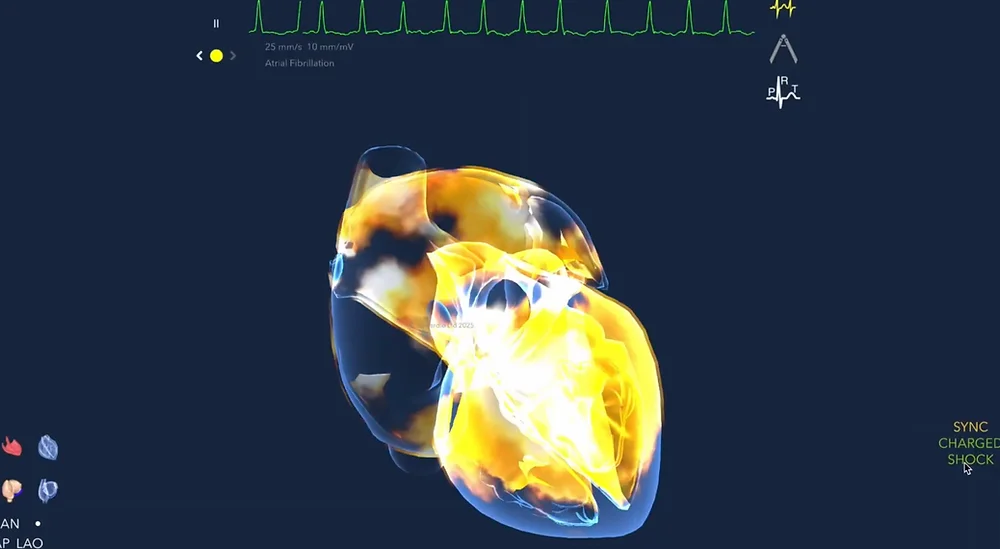
In most people, atrial fibrillation begins when abnormal electrical signals originate from the pulmonary veins at the back of the heart.
These veins contain small sleeves of heart muscle capable of producing extra electrical impulses.
Stress, hormonal changes and activity within the autonomic nervous system can all increase the likelihood of these abnormal signals triggering AF.
What Does Catheter Ablation Do?
How does AF ablation stop atrial fibrillation?
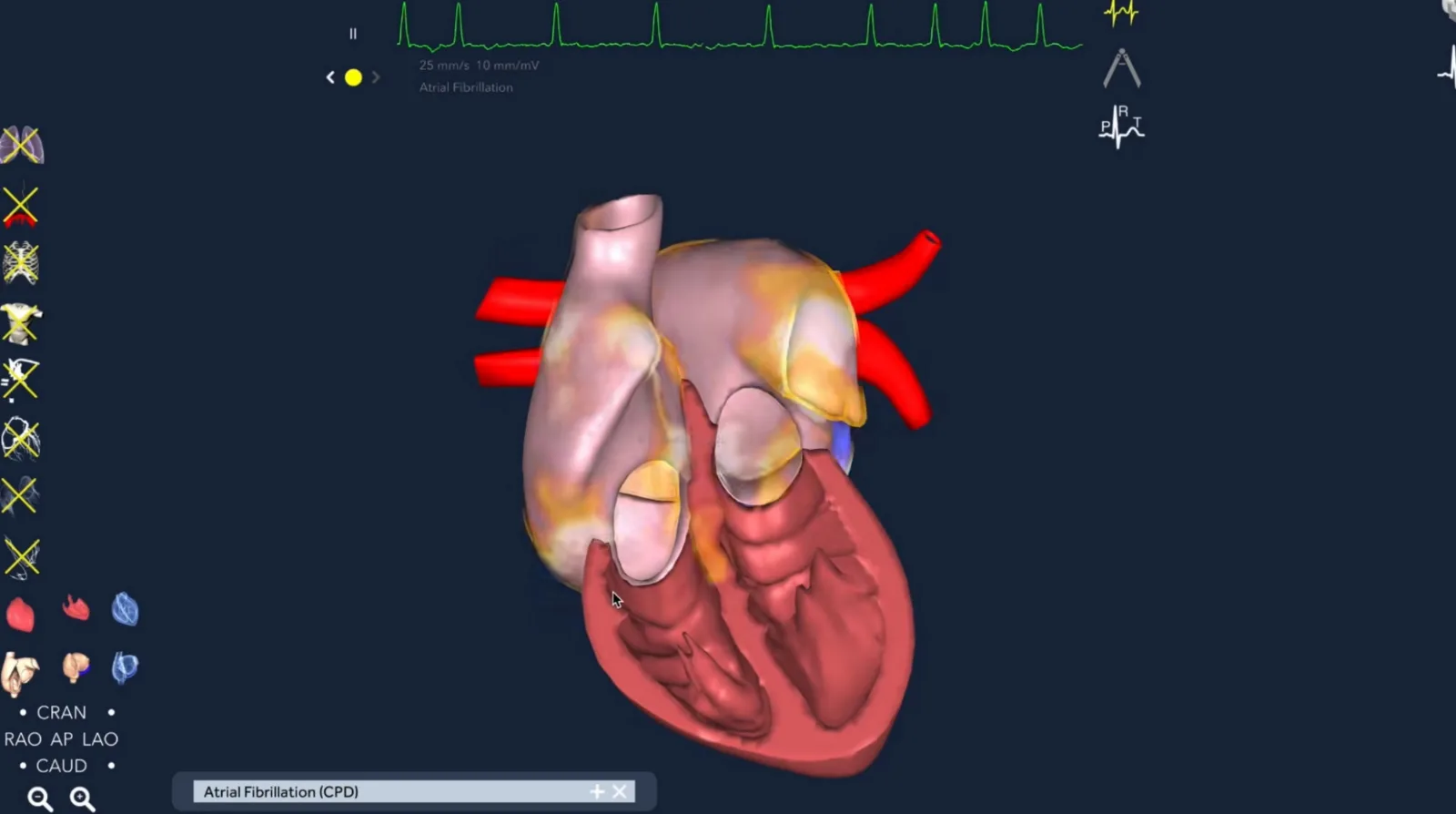
During catheter ablation, a consultant cardiologist creates a continuous ring of scar tissue around each pulmonary vein.
The scar tissue electrically isolates these veins, preventing abnormal electrical signals from reaching the rest of the heart and triggering atrial fibrillation.
For most patients, this is highly effective.
However, there are several reasons why AF may still recur.
Why Can AF Come Back After an Ablation?
There isn’t just one explanation.
Instead, recurrence usually falls into several recognised patterns.
1. Small Gaps in the Scar Tissue
Can tiny gaps cause AF to return?
Yes.
One of the most common reasons for AF recurrence is that a complete ring of scar tissue was not created around every pulmonary vein.
Although the procedure may initially appear successful, tiny gaps can remain that later allow electrical signals to pass through again.
With older ablation technologies this was more common, although advances in mapping and energy delivery have significantly improved results.
2. The Heart Can Heal
Can scar tissue recover?
Surprisingly, yes.
After catheter ablation, the heart naturally begins to heal.
Occasionally, small strands of heart muscle recover enough to reconnect areas that had previously been electrically isolated.
This healing process can allow abnormal electrical impulses to reach the atrium once again and trigger recurrent AF.
3. Other Parts of the Heart Can Trigger AF
The pulmonary veins are responsible for most cases of atrial fibrillation—but not all.
Can AF start somewhere else?
Yes.
Some patients have additional trigger sites outside the pulmonary veins, including:
- the superior vena cava
- the coronary sinus
- other areas of atrial tissue
These abnormal electrical sources are much less common and can be difficult to identify during an initial procedure.
Rather than treating every possible area during the first ablation, cardiologists usually focus on the most likely source first.
This avoids unnecessary treatment and reduces the overall risk of complications.
4. Persistent Atrial Fibrillation Causes More Scarring
Why is persistent AF harder to treat?
Patients with persistent atrial fibrillation—where AF is present continuously rather than coming and going—often develop scar tissue (fibrosis) within the left atrium.
This changes the electrical behaviour of the heart.
These scarred areas may require additional mapping and more targeted ablation during a second procedure.
Because identifying these areas takes longer and requires specialised techniques, they are not always addressed during the first ablation.
Does Needing a Second Ablation Mean the First One Failed?
Not at all.
This is one of the biggest misconceptions surrounding atrial fibrillation treatment.
Is a repeat AF ablation common?
For some patients, yes.
A second procedure is simply part of achieving the best long-term outcome.
Professor Malcolm Finlay explains that he would rather perform a carefully planned second procedure than over-treat every patient during the first operation and unnecessarily increase procedural risks.
How Successful Is AF Ablation?
Modern catheter ablation continues to improve.
Advances in:
- 3D mapping
- imaging technology
- energy delivery
- understanding of atrial fibrillation
have all reduced the number of patients requiring repeat procedures.
What if AF comes back only occasionally?
Even if atrial fibrillation isn’t completely eliminated, many patients still experience a major improvement.
For example:
A patient who experienced AF every week before treatment may only have one short episode each year after ablation.
Most people would consider that a highly successful outcome because:
- symptoms are significantly reduced
- quality of life improves
- exercise tolerance often increases
- anxiety surrounding AF episodes decreases
Success should be measured by how much better a patient feels—not simply whether AF has disappeared completely.
Is AF Ablation Right for Everyone?
No.
Who benefits most from AF ablation?
AF ablation is often most effective in patients with:
- symptomatic atrial fibrillation
- paroxysmal AF
- reduced quality of life
- recurrent palpitations
- failed medical therapy
Some patients with long-standing persistent AF may require multiple procedures, while others may achieve good symptom control with medication alone.
Choosing the right treatment should always involve a detailed discussion with an experienced consultant cardiologist.
Frequently Asked Questions About AF Recurrence After Ablation
Why does AF come back after ablation?
The most common reasons include small gaps in scar tissue, natural healing of the heart, additional trigger areas, and progression of atrial fibrillation.
Does AF returning mean the ablation failed?
No. Many patients still experience major improvements even if occasional AF episodes continue.
Can the heart heal after ablation?
Yes. Small areas of heart muscle can occasionally recover, allowing abnormal electrical signals to return.
Is a second AF ablation common?
Yes. Repeat procedures are sometimes needed, particularly in patients with persistent atrial fibrillation.
Is persistent AF harder to treat?
Yes. Persistent AF often causes more structural changes within the heart, making treatment more complex.
Can AF ablation still be successful if AF returns?
Absolutely. Success is often measured by symptom reduction and improved quality of life rather than complete elimination of every AF episode.